
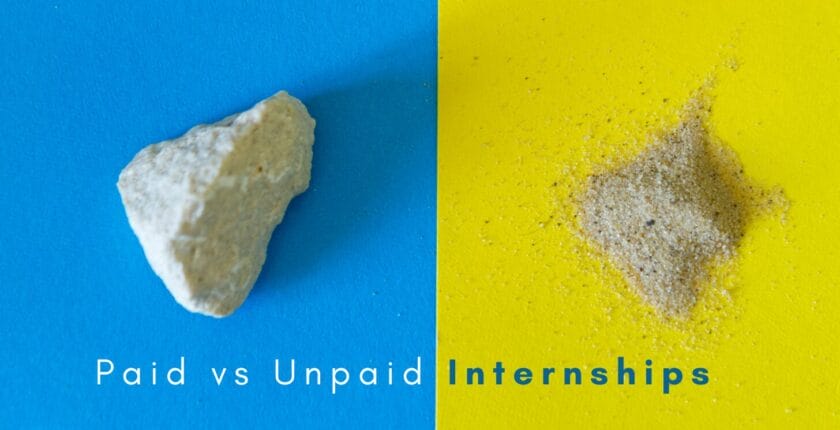
Paid vs Unpaid Internships: What Every Student Needs to Know
In today’s competitive job market, internships are no longer optional—they are essential. After three decades of working closely with hiring managers, recruiters, and early-career professionals, I can confidently say this: internships often determine how smoothly a student transitions into the workforce.
But there’s one question that continues to create confusion and debate among students:
Should you choose a paid internship or accept an unpaid one?
This isn’t just a financial decision. It’s a strategic career move that can shape your opportunities, skills, and long-term trajectory. In this guide, we’ll break down the real differences, advantages, risks, and decision-making factors so you can choose wisely.
What Is a Paid Internship?
A paid internship is a structured work experience where students are compensated for their time and contributions. These internships are typically offered by organizations that view interns as part of their talent pipeline.
Key Characteristics
- Financial compensation (hourly wage, stipend, or project-based pay)
- Clearly defined roles and responsibilities
- Performance expectations aligned with business goals
- Often part of formal internship programs
Where Paid Internships Are Common
- Technology and software development
- Finance and consulting
- Engineering and manufacturing
- Corporate business roles
Why Employers Offer Paid Internships
From my experience advising companies, paid internships are often used to:
- Attract high-quality candidates
- Evaluate potential full-time hires
- Increase intern accountability and productivity
Bottom line: Paid internships are usually structured, competitive, and closely tied to future job opportunities.
What Is an Unpaid Internship?
An unpaid internship is a work experience where students are not financially compensated but may receive other forms of value, such as academic credit or professional exposure.
Key Characteristics
- No direct monetary compensation
- Flexible or informal structure
- Often focused on learning rather than output
- May include academic credit or certification
Where Unpaid Internships Are Common
- Media and journalism
- Nonprofits and NGOs
- Arts and creative industries
- Early-stage startups
Why Employers Offer Unpaid Internships
In many cases, especially with smaller organizations, budgets are limited. However, the intent can vary:
- Some genuinely focus on mentoring and training
- Others may rely on unpaid interns for basic operational tasks
Bottom line: The value of an unpaid internship depends heavily on the organization and the quality of the experience.
Key Differences Between Paid and Unpaid Internships
Understanding the differences goes beyond compensation—it’s about structure, expectations, and outcomes.
| Factor | Paid Internship | Unpaid Internship |
|---|---|---|
| Compensation | Yes | No |
| Structure | Formal and structured | Can be informal |
| Competition | High | Moderate to low |
| Learning Quality | Usually consistent | Highly variable |
| Legal Oversight | Strictly regulated | Depends on region |
| Career Impact | Often stronger | Depends on experience quality |
Pros of Paid Internships
From a career strategist’s perspective, paid internships offer several clear advantages:
1. Financial Stability
Students can support themselves, reducing stress and increasing focus on performance.
2. Higher Employer Commitment
Companies that pay interns are more likely to invest in training, mentorship, and meaningful work.
3. Stronger Resume Value
Recruiters often view paid internships as more competitive and performance-driven.
4. Conversion to Full-Time Roles
Many paid internships are direct pipelines to permanent positions.
Cons of Paid Internships
Despite their advantages, paid internships are not perfect.
1. High Competition
These roles attract top candidates, making them difficult to secure.
2. Limited Availability
Not all industries or companies offer paid opportunities.
3. Performance Pressure
You are often expected to contribute quickly, which can limit exploratory learning.
Pros of Unpaid Internships
Unpaid internships can still offer meaningful value—if chosen carefully.
1. Easier Entry Point
Students with little or no experience can gain initial exposure.
2. Portfolio Building
Particularly valuable in creative fields like design, writing, or media.
3. Networking Opportunities
Access to professionals, mentors, and industry connections.
4. Flexibility
Often part-time or remote, allowing students to balance other commitments.
Cons of Unpaid Internships
This is where students need to be especially cautious.
1. Financial Burden
Not all students can afford to work without pay, which creates inequality.
2. Risk of Exploitation
Some organizations assign repetitive or low-value tasks with minimal learning.
3. Lack of Structure
Without clear goals, the experience may not translate into real skills.
4. Lower Perceived Value
Some employers may not weigh unpaid experience as heavily—especially if responsibilities were unclear.
Legal and Ethical Considerations
This is an area many students overlook—but it matters.
In many countries, labor laws require that unpaid internships:
- Focus primarily on learning and training
- Do not replace paid employees
- Provide clear educational value
Red Flags to Watch For
- You’re doing the same work as paid staff
- No mentorship or supervision
- Vague job description
- Full-time hours with no compensation
If an internship feels like free labor rather than structured learning, it’s worth reconsidering.
How to Decide: Paid vs Unpaid Internship
After advising thousands of early-career professionals, I recommend a simple but effective decision framework.
Evaluate These Factors
1. Your Financial Situation
Can you realistically afford to work without pay?
2. Your Career Stage
- Early stage: Unpaid may help you gain initial exposure
- Later stage: Paid roles should be the priority
3. Industry Norms
Some industries traditionally offer fewer paid roles at the entry level.
4. Learning and Skill Development
Will you gain practical, transferable skills?
5. Company Reputation
Is the organization known for developing talent?
When an Unpaid Internship Might Be Worth It
There are situations where accepting an unpaid role is a strategic move:
- You have zero prior experience
- The organization has a strong brand or credibility
- There is clear mentorship and structured learning
- The internship is short-term with defined outcomes
In these cases, the long-term return can outweigh the short-term sacrifice.
When You Should Avoid an Unpaid Internship
Be cautious—and willing to walk away—if:
- The role lacks clear responsibilities
- There’s no learning or mentorship
- You’re expected to work full-time without compensation
- It creates financial strain
A poor internship can waste time just as much as a good one can accelerate your career.
How to Maximize Any Internship Experience
Regardless of whether your internship is paid or unpaid, your approach determines its value.
Practical Tips
- Set clear learning goals from day one
- Actively seek feedback and improve
- Build relationships within the organization
- Document your work and achievements
- Translate your experience into measurable resume outcomes
The most successful interns are not passive—they treat internships as stepping stones, not placeholders.
Conclusion
Paid and unpaid internships are not simply “better” or “worse”—they serve different purposes depending on your situation.
From my 30 years in the job market, one truth stands out:
The value of an internship is not defined by the paycheck but by the skills, exposure, and opportunities it creates.
That said, students must make informed, strategic choices. A well-chosen internship—paid or unpaid—can open doors that shape your entire career. A poor choice, on the other hand, can cost you time, energy, and momentum.
Choose wisely. Your future self will thank you.
